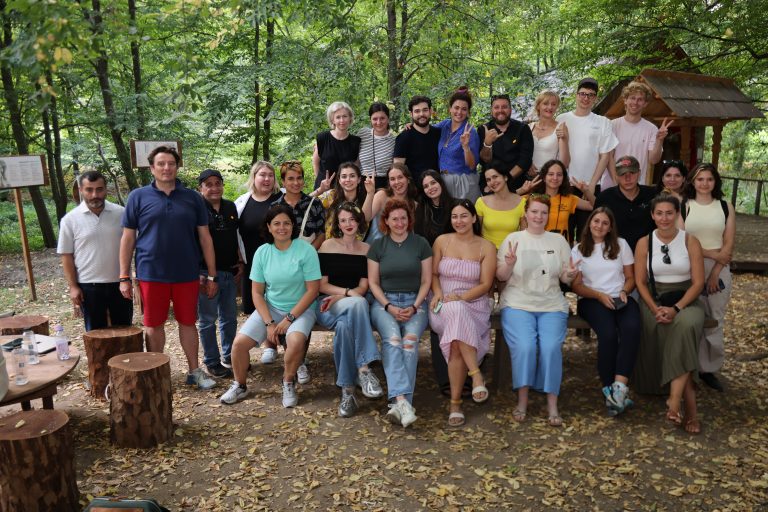
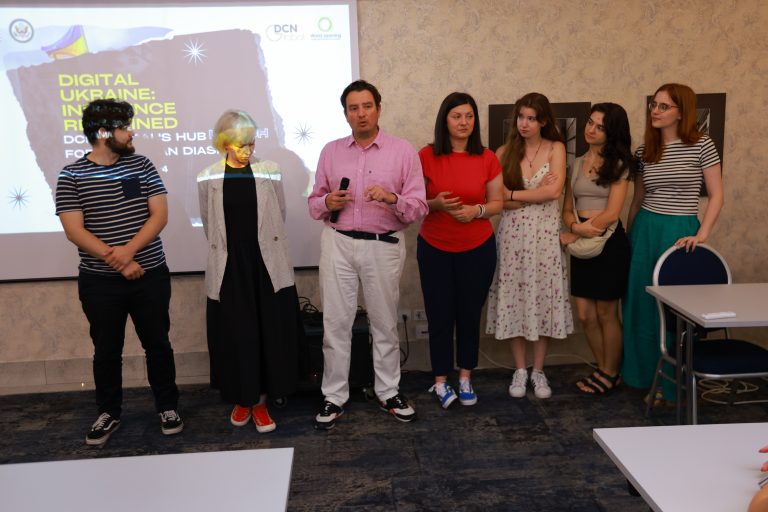
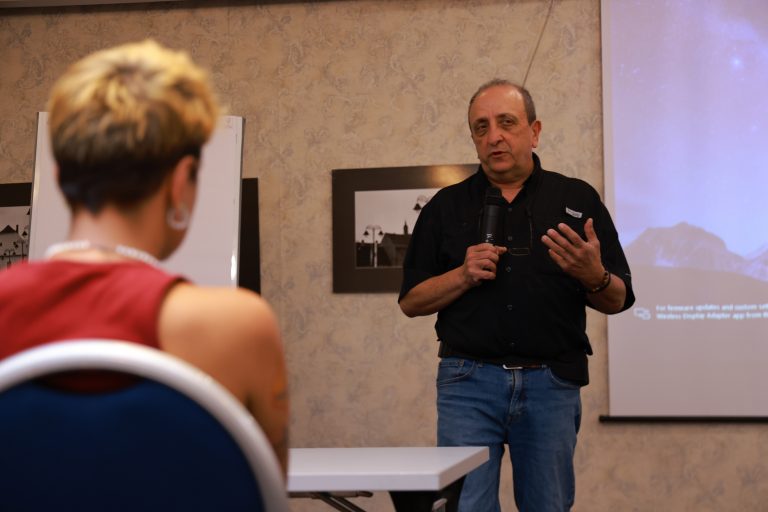
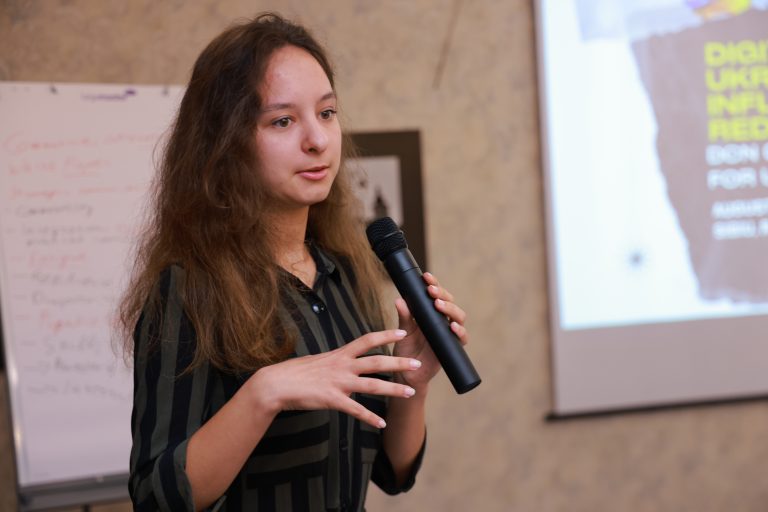
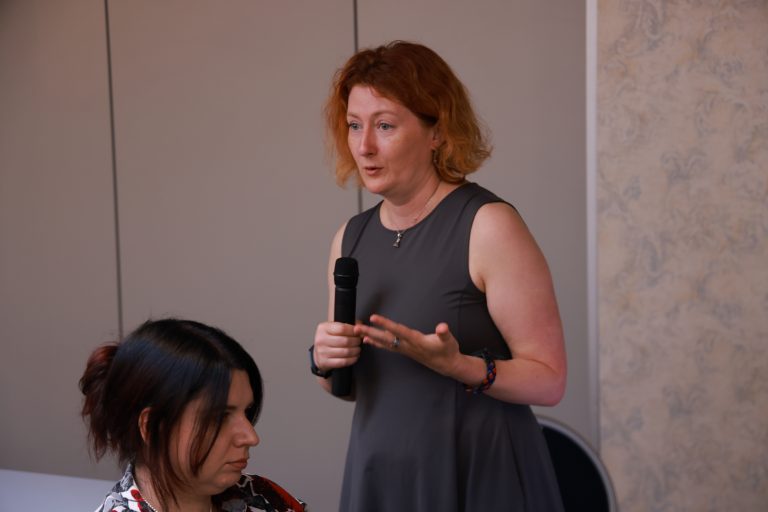
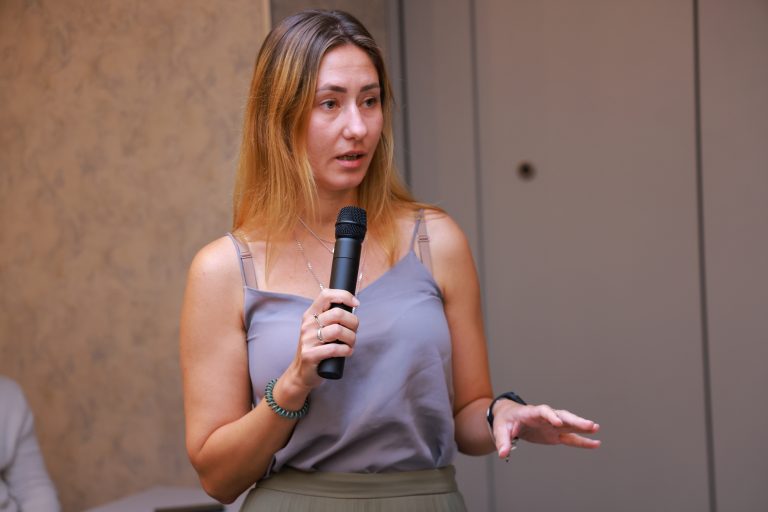
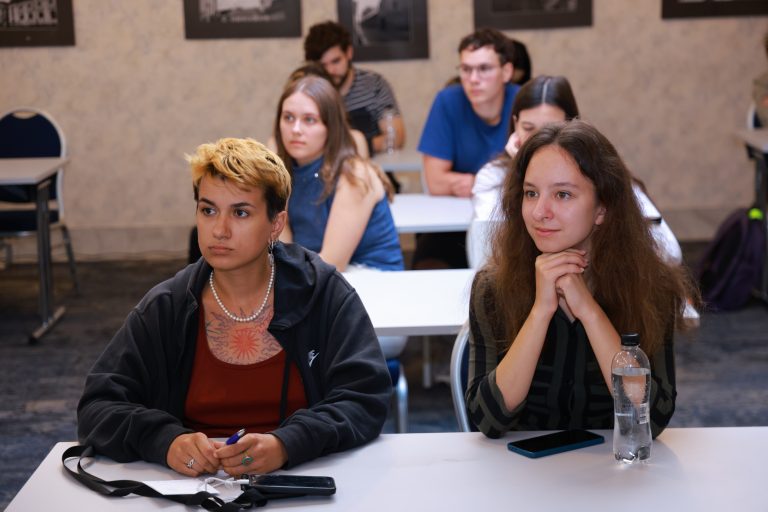
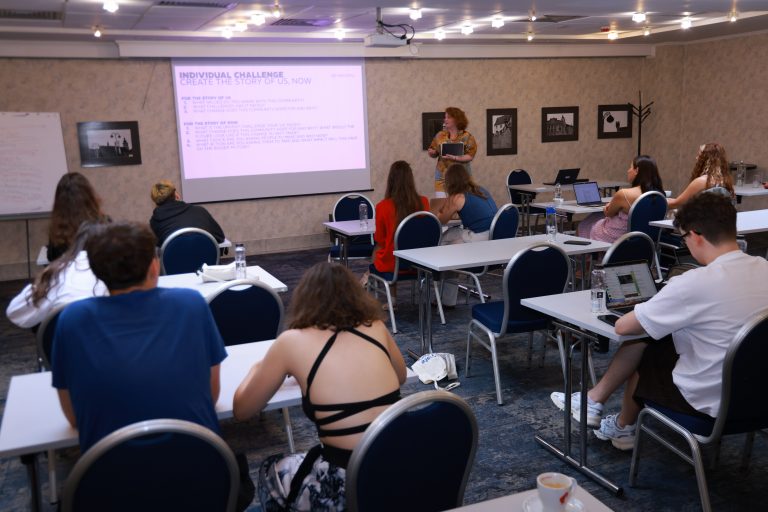
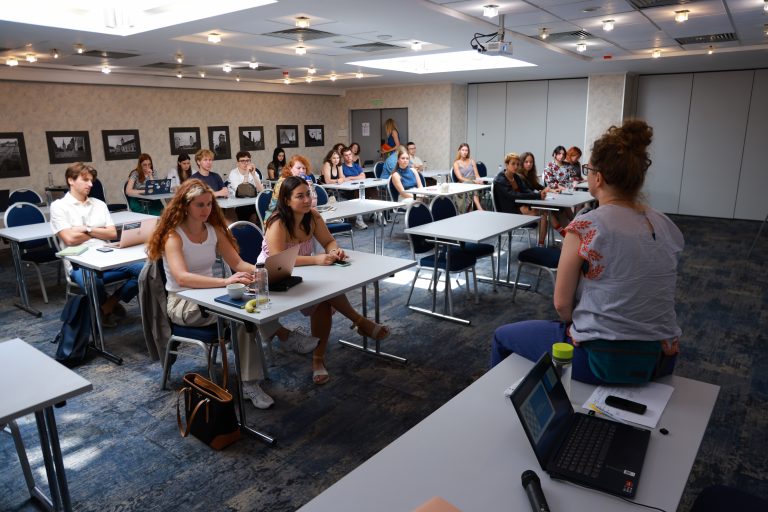
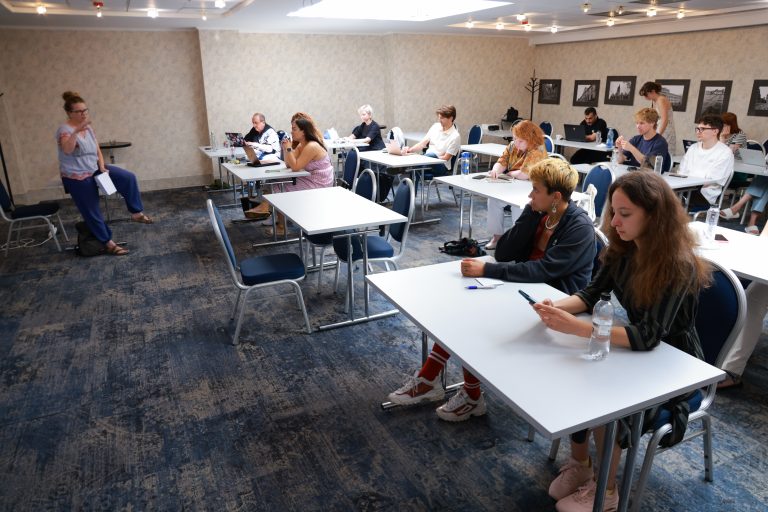
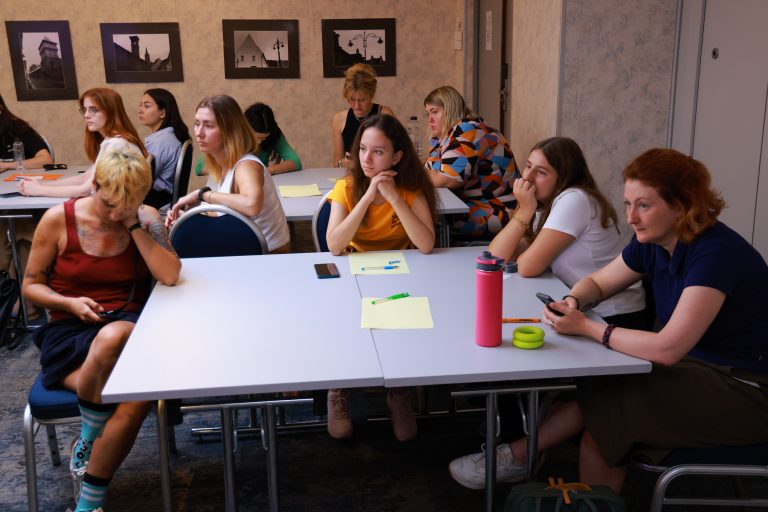
Twenty Ukrainians took part in the “Digital Ukraine: Influence Redefined” to improve their skills in using digital tools, campaigns, and outreach strategies.
Ukrainians from Ukraine, Czech Republic, Ireland, Germany, Poland, Spain… a total of 14 different European countries visited the medieval city of Sibiu in Romania from 20 to 22 August.
Some have lived abroad for many years, some still live in Ukraine, and some were forced to leave Ukraine after the full-scale russian invasion in 2022.
All of them have one important thing in common: they continue to actively promote Ukrainian issues on the international stage.
The main objective of the “Digital Ukraine: Influence Redefined” gathering, which included young Ukrainians in the diaspora, is to raise awareness of the situation in Ukraine within the host communities foster a deeper understanding of social movements in Europe and explore ways for their supportive engagement with Ukraine.
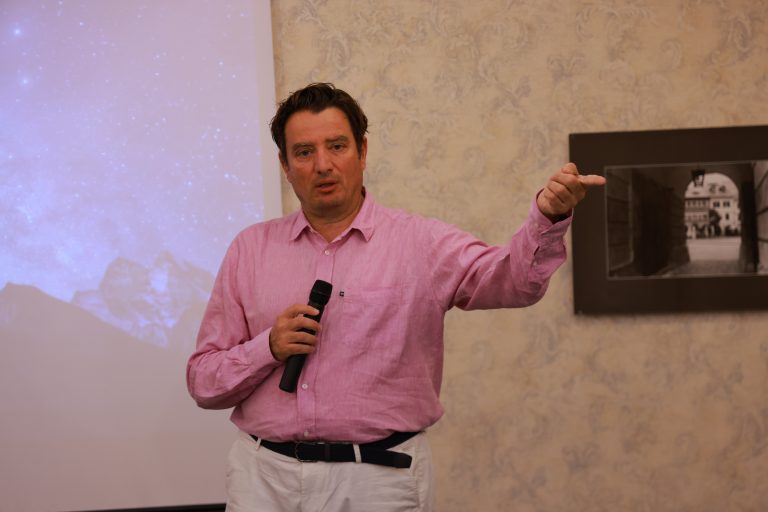
According to Nikos Panagiotou, President of Digital Communication Network Global and Professor at the School of Journalism and Mass Media Communications of the National University of Greece, the main goal of this training is to promote the visibility of the Ukrainian diaspora, highlighting the problems and stories of Ukrainian communities in the regions and countries where they live.
“This is important because we need to refocus and emphasize the initiatives of the Ukrainian diaspora, which should go beyond the national focus.
We should focus on promoting, developing, and creating media products about Ukraine in European languages – German, Romanian, Italian, Spanish, etc.
Another element I would like to emphasize is the promotion of resilience. Because we saw last year, especially before the European elections, it went through all European societies, emphasizing many things: «Why should we care about Ukraine? Let’s look at our problems, inflation”, etc.
The most important thing is to break the bubble, to attract attention in a completely different way because we are not in the same phase as we were at the beginning of the russian invasion.
Now we are witnessing a constant change of audiences or agendas. Let’s give Ukrainians another agenda”, said Nikos Panagiotou, President of Digital Communication Network Global.
By the way, this is not the first DCN Global event for Ukrainians. In 2021, DCN Global organized events in Odesa and Kyiv. In 2023 in Poland. The last event was held in Thessaloniki in March 2024.
Vlad Spencer, Manager at World Learning, thanked the Ukrainians for their presence at this conference and emphasized that it is important that the participants express what they feel, and the task of World Learning is to help and encourage them to act.
“We thought about how to bring together the Ukrainians living abroad and hear from them how social movements work, how they, Ukrainians, see developments in the countries where they live: England, Germany, Romania, Poland, etc., what aspects, in their opinion, attract the attention of civil society, the government, in the country where they now live, to the issue of Ukraine. Because their perception and ability to shape this reality is extremely important. That is why we thought it would be good to gather 20 Ukrainians here in Romania.
We want to hear about the realities of Ukrainians’ lives abroad compared to the perceptions we have about them and the war in Ukraine.
It is important for us to know where they get support for better integration and be more effective in the community where Ukrainians are now. This will help us shape our future activities and progress.
This will not be a formal conference where speakers tell them what to do and how to do it, it will be interaction and dialog.
For example, one of the speakers will lead a workshop on how the media works and influences public opinion, and how to communicate and work with them”, said Vlad Spencer, Manager at World Learning.
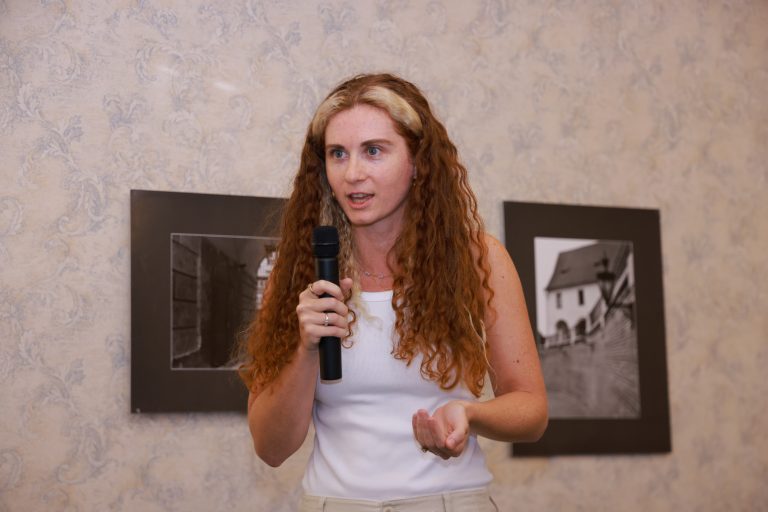
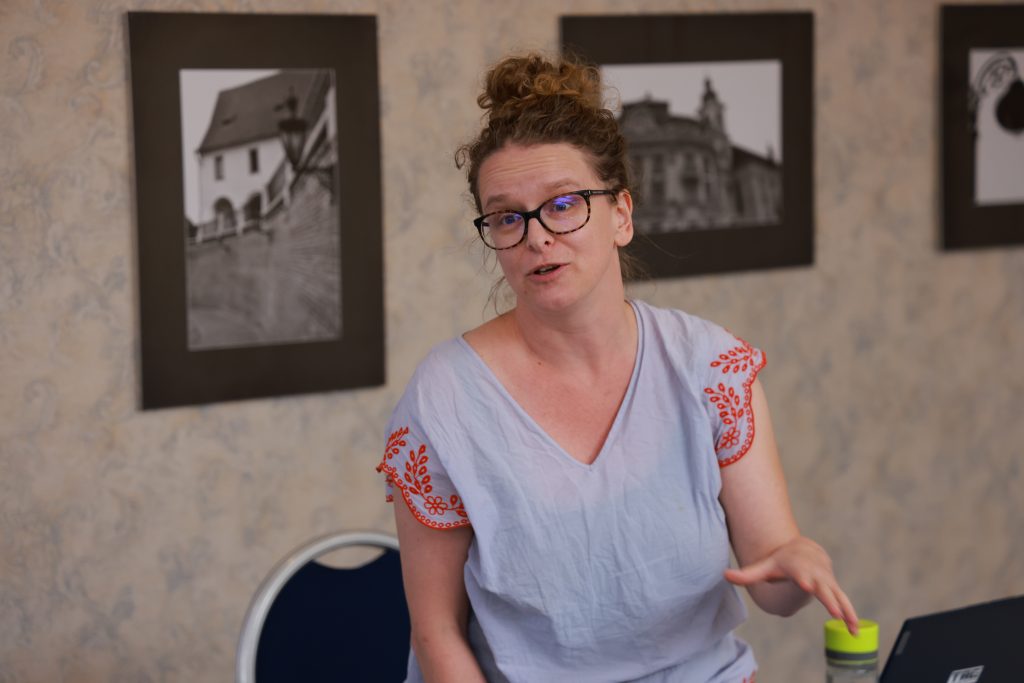
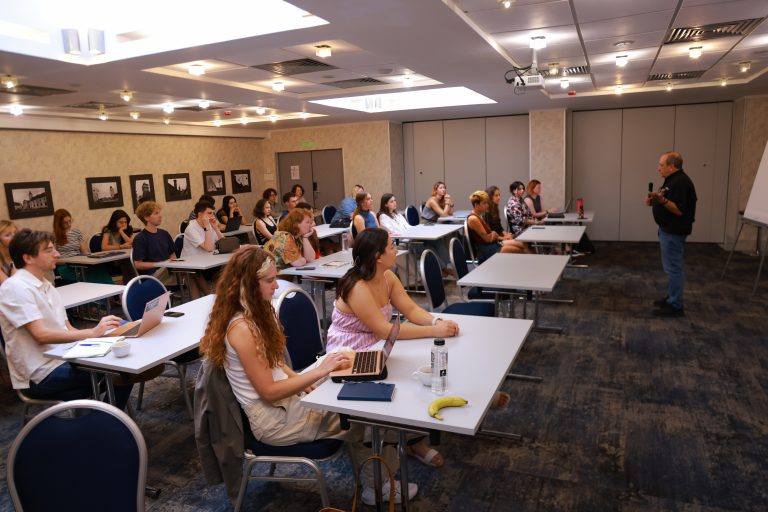
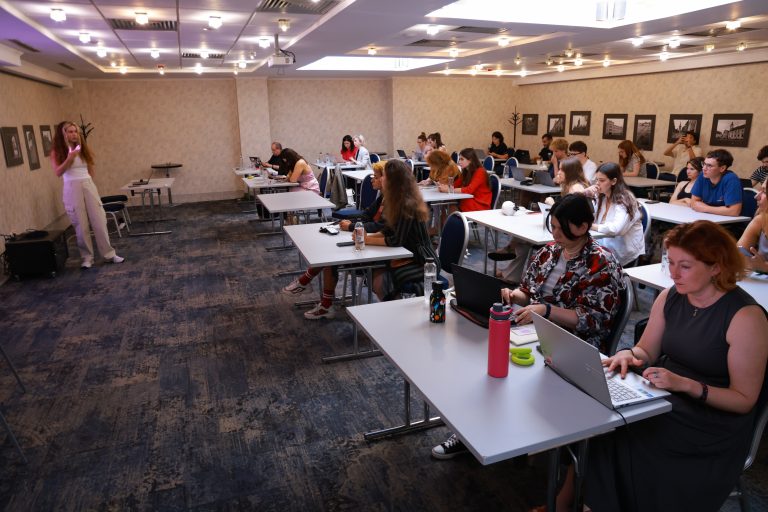
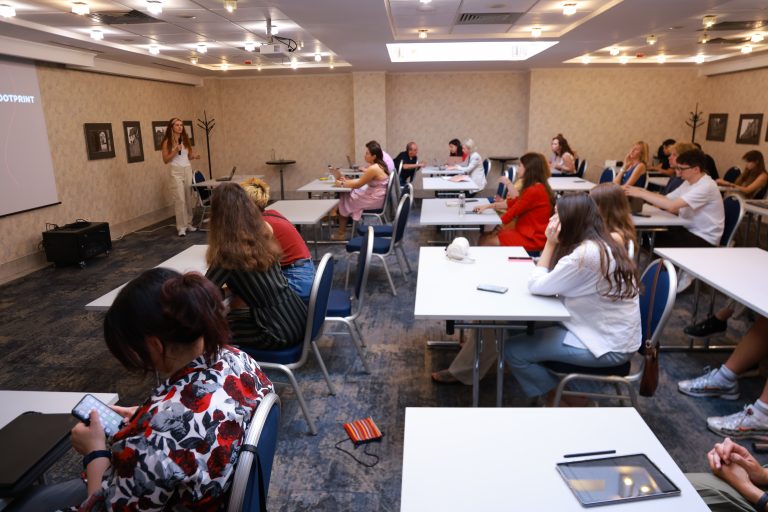
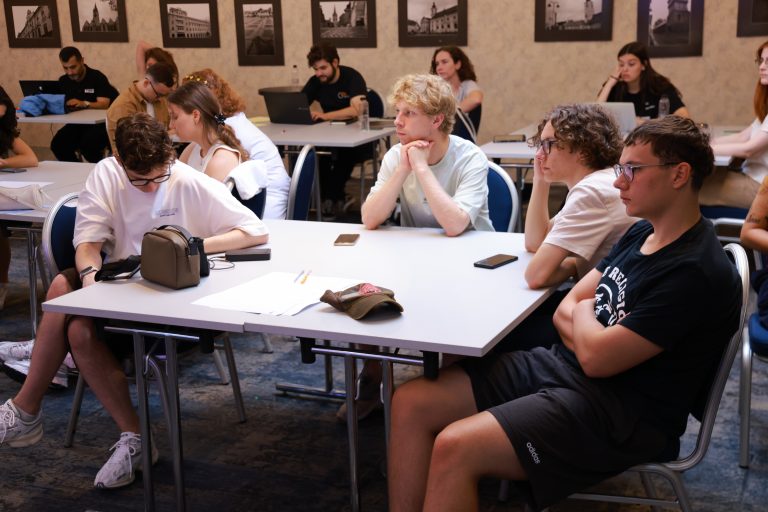
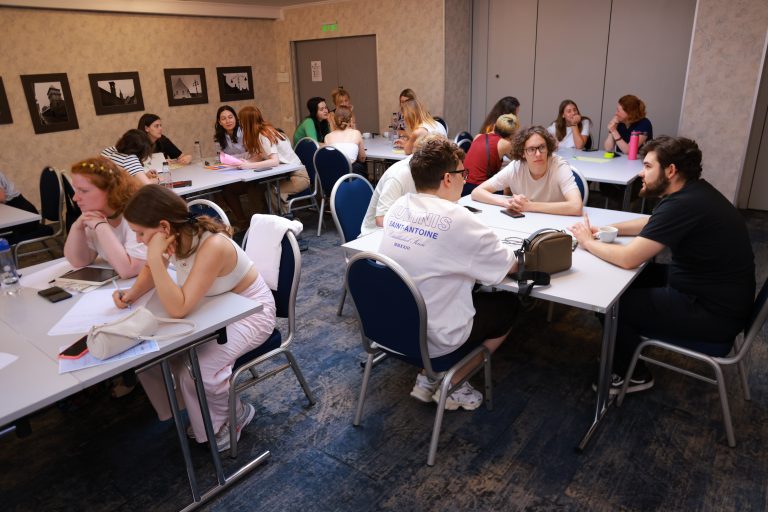
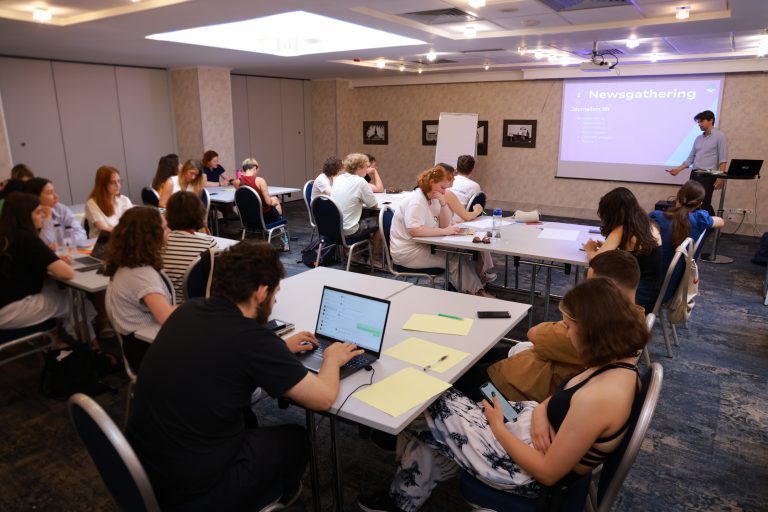
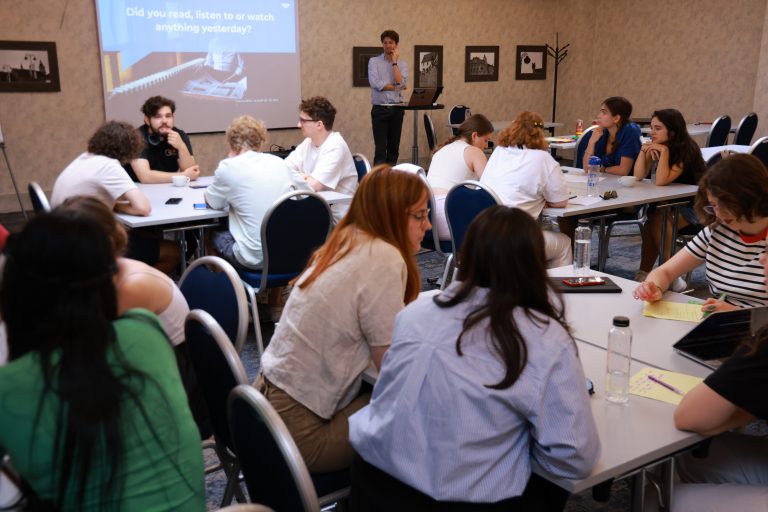
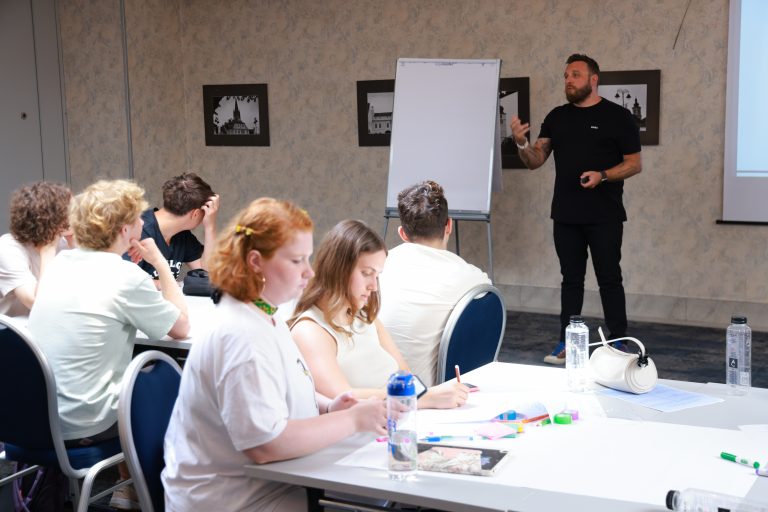
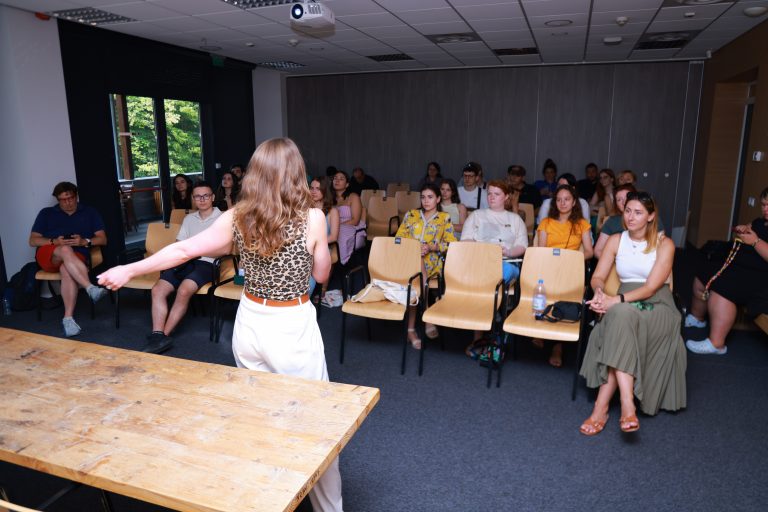
Seven experts from various fields and across Europe conducted workshops for Ukrainians aimed at improving their skills in using social media to promote social campaigns, digital tools and strategies for reaching audiences, creating content for Instagram and YouTube, and best practices for working with journalists to raise awareness of the situation in Ukraine in host communities.
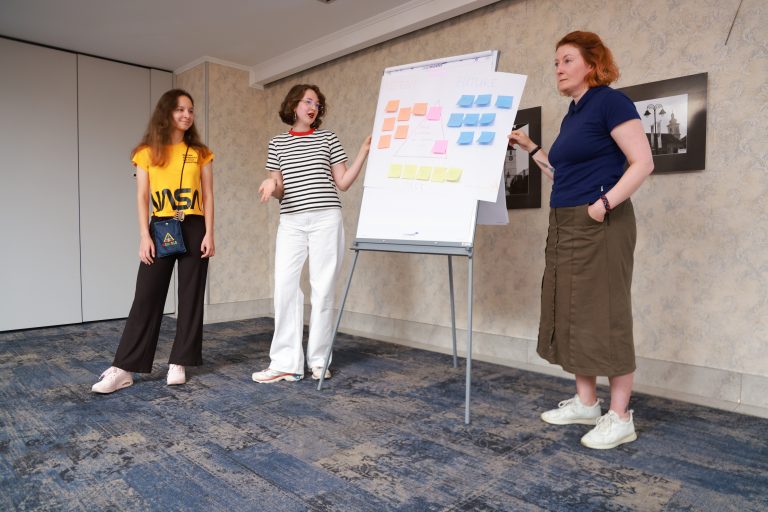
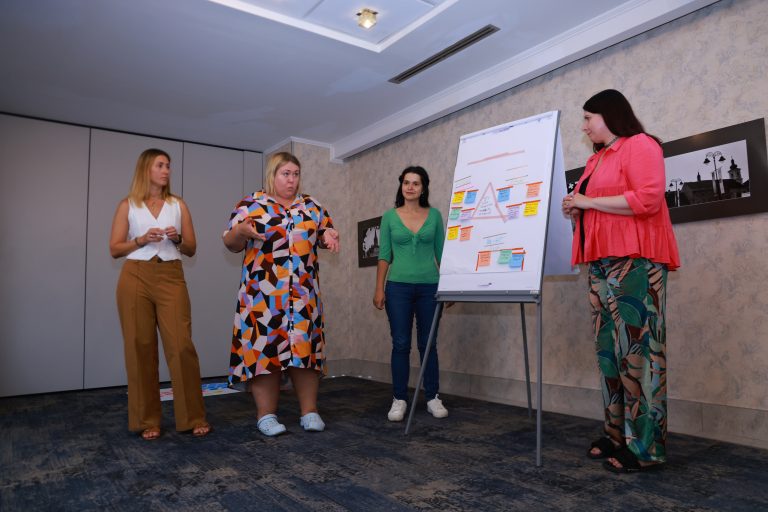
During the sessions, Ukrainians actively explored how DCN can support their efforts, both in Ukraine and in the host communities where they reside. The workshops provided a platform for brainstorming innovative solutions and developing actionable plans that leverage digital creativity and community engagement. The retreat also facilitated the identification and incubation of collaborative projects.
Anastasiia Aharkova, a Ukrainian journalist currently living in Prague has attended events organized by DCN Global on several occasions, and when she learned that this event would also focus on Ukraine, she immediately applied.
“I currently work in Prague as a journalist for ProUkrainu, one of the largest Ukrainian-language media outlets in the Czech Republic. We work for Ukrainian refugees, so I came here to learn practical things that will help me develop our media.
Especially on the last day of the workshop, we talked about social media YouTube, and Instagram. Our media is present on both, and I debunked a lot of myths for myself. In general, we talked a lot about media, about cooperation between social projects and media. Since many Ukrainian-language media in Europe now also function as social projects, this is a combined and very useful experience”, said Anastasiia.
Maryna Hovorukhina, who has been living in Germany since the beginning of russia’s full-scale invasion of Ukraine and works as a strategic communications expert at Common Sense Communications, decided to participate in the program because of her interest in digital technologies.
“I am interested in digitalization and promotion of Ukraine abroad using different methods. One of the most important skills and tips I received at this event was how to work with YouTube. This platform opened up for me in a slightly different way. If before I did not consider YouTube as a tool at all, now I already have some ideas that I will implement in the future”, commented Maryna.
Olena Cherkun, a Ukrainian PhD student at the University of Burgos, Spain also took part in this training on digital transformation and expanding influence through digital networks. According to her, the workshops she attended during the conference “Digital Ukraine: Influence Redefined” allowed her to improve her skills in digital storytelling and creativity with a special focus on Ukraine-related issues.
“The workshops were interesting and inspiring. The programme provided an open space to discuss new technologies, generate ideas, new knowledge about media development, campaign implementation, the relationship between social movements and media, and narrative building in digital strategies. It contributed to my personal growth and enriched me! This training once again showed me the importance of having a presence in the media and social media on the issue of Ukraine. It was an exciting experience!”
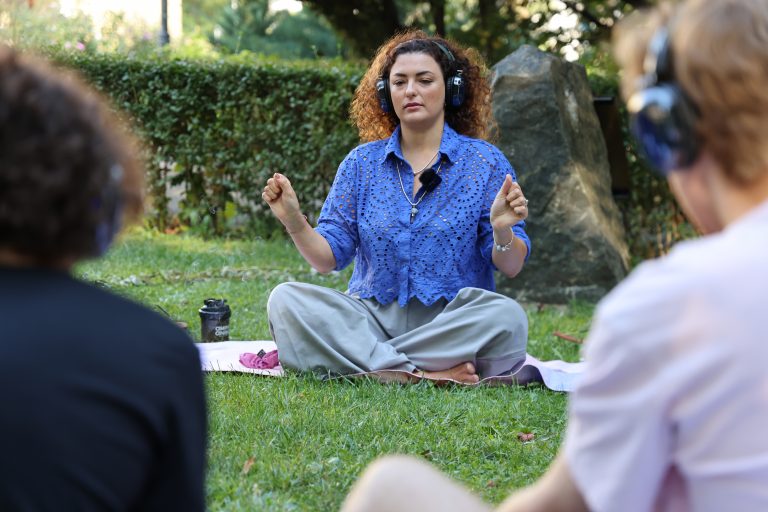
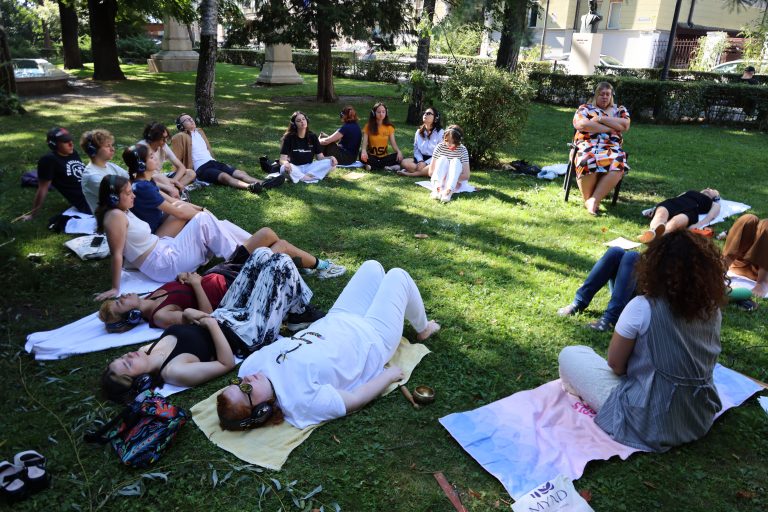
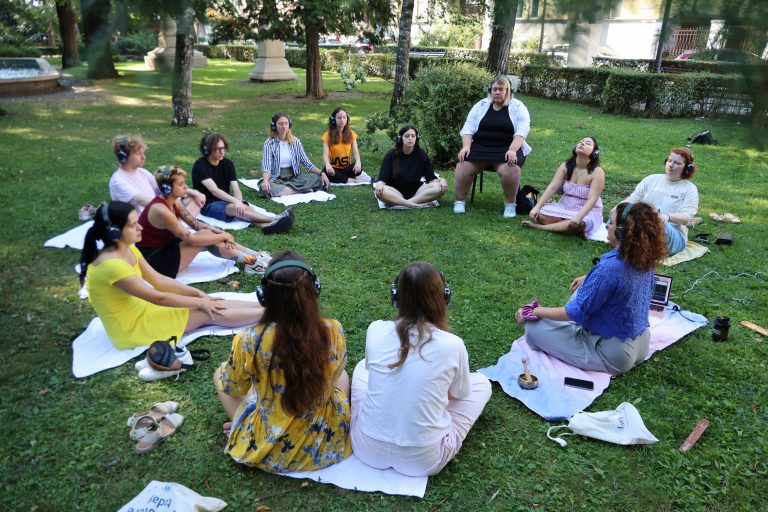
For more productive workshops and a good mood throughout the day, Marietta Sarigiannidou, Founder of MYND Retreats from Greece, conducted yoga and breathing sessions every morning to charge participants with a good mood for the whole day.
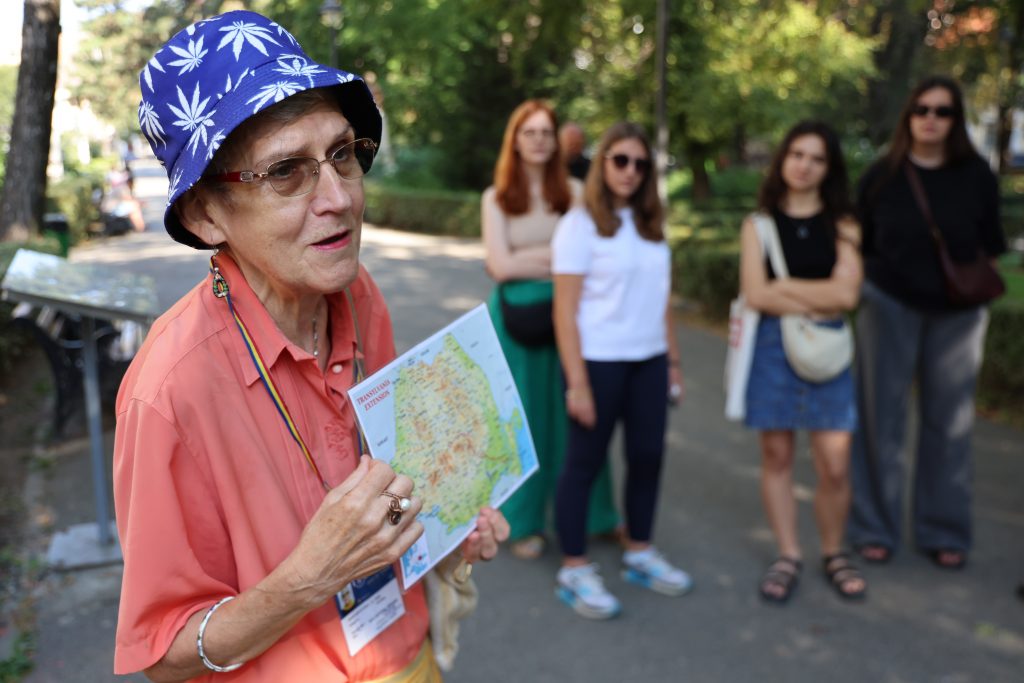
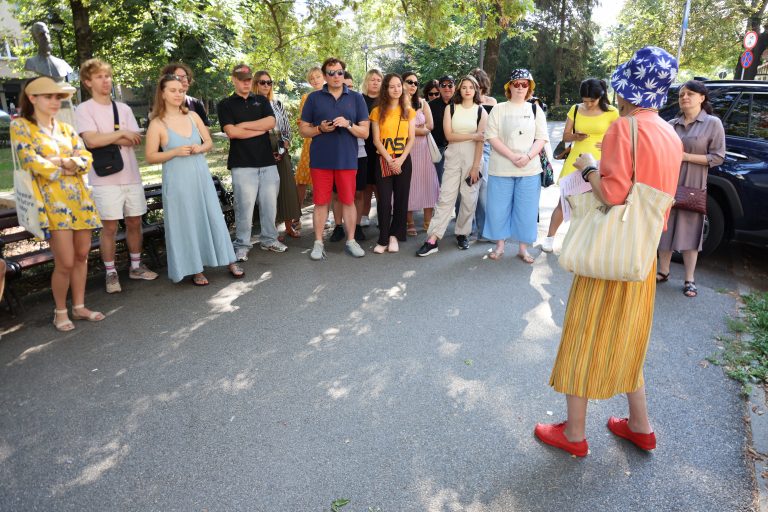
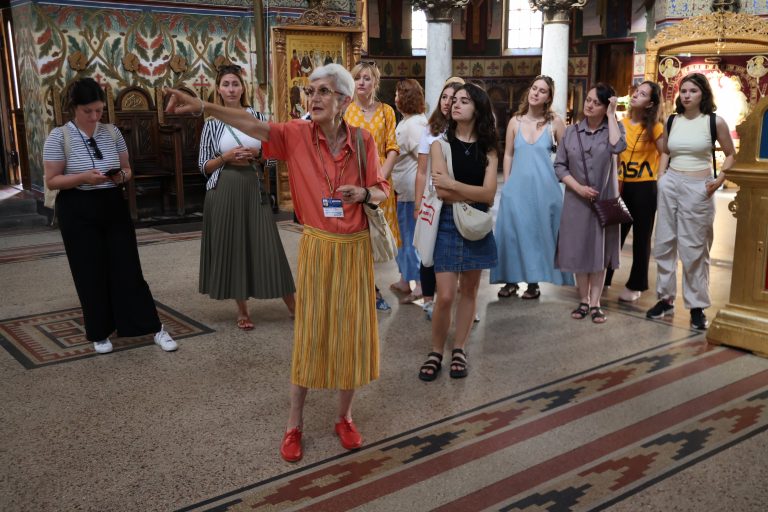
In addition to three days of workshops and networking, participants of “Digital Ukraine: Influence Redefined” had the opportunity to take part in a city tour as part of the exchange program, giving them the chance to learn more about the host city and country.
MORE DETAILS ABOUT WORKSHOPS
During the workshop on “Redefining Influence Campaigns & Outreach Strategies”, presented by Roza Ismailai, Strategic Communication Specialist at the European Cultural Foundation from Amsterdam, participants learned how to convey messages effectively on different platforms and maintain focus on challenging topics. It was an interactive workshop on using social media to promote social campaigns, including tools and tricks to increase online engagement.
In the “Leadership and Communities” workshop, Tessza Udvarhelyi, Educator, Activist, and Social Innovator from Hungary, discussed and led brainstorming sessions with participants on current trends in social movements, how they organize and influence each other, and how to develop communities and promote a cause in the medium and long term.
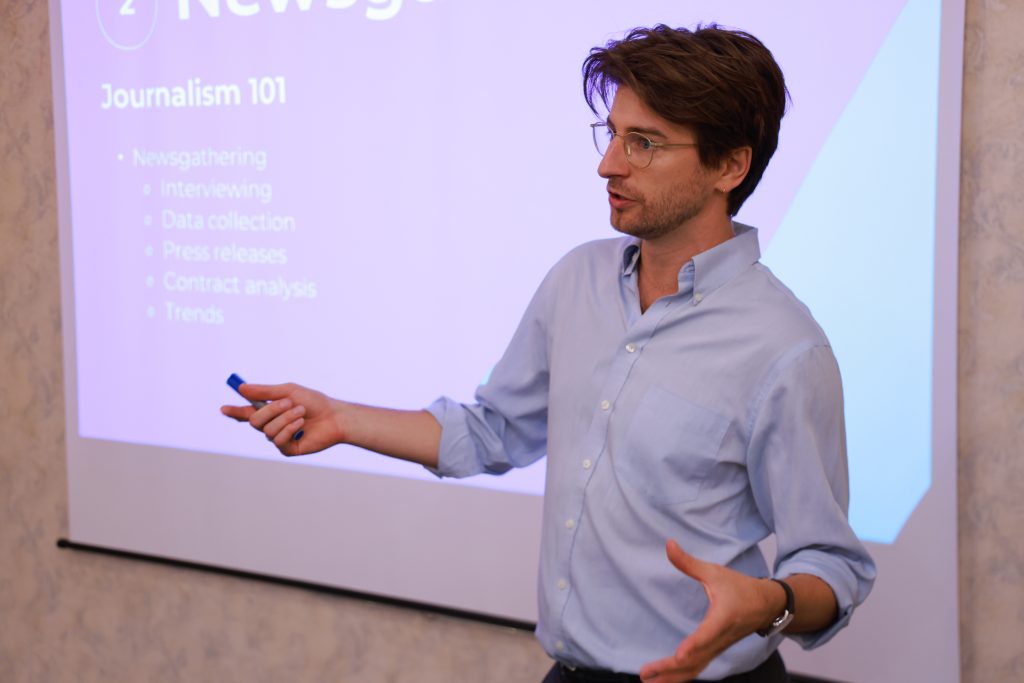
Ryan Powell, Head of Innovation and Media Business at the International Press Institute, Austria, discussed with participants how communities and activists can collaborate with journalists to promote their causes, how journalism can support initiatives, and the best methods to reach out to the media for maximum impact in his workshop “Media and Social Movements” which focused on how social movements use media to maximize their reach.
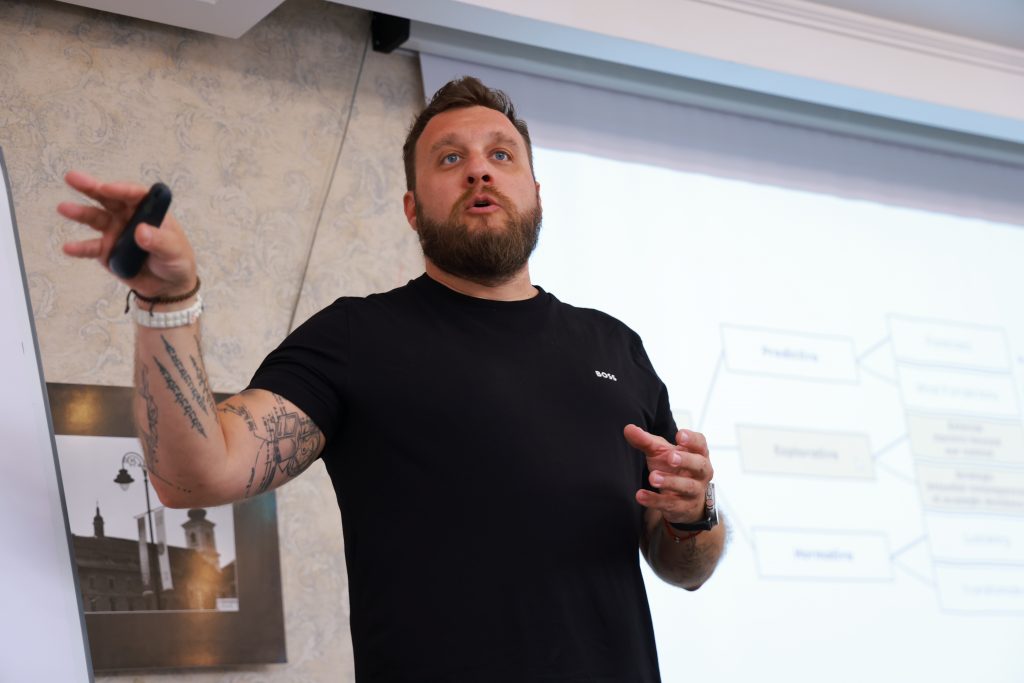
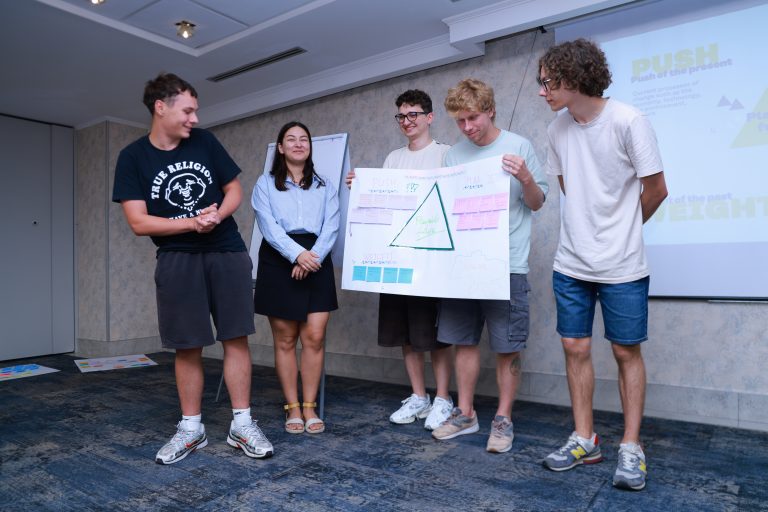
In “The Futures Triangle. How to integrate new platforms and technologies for the best outreach of your cause”, Futurist, Advisor to the Special Secretary for Strategic Foresight, Presidency of the Government of the Hellenic Republic in Greece Dimitris Dimitriadis led an interactive session discussing the development of innovative solutions and actionable plans that leverage digital creativity and community engagement. During the workshop, participants worked in sub-groups to address specific challenges.
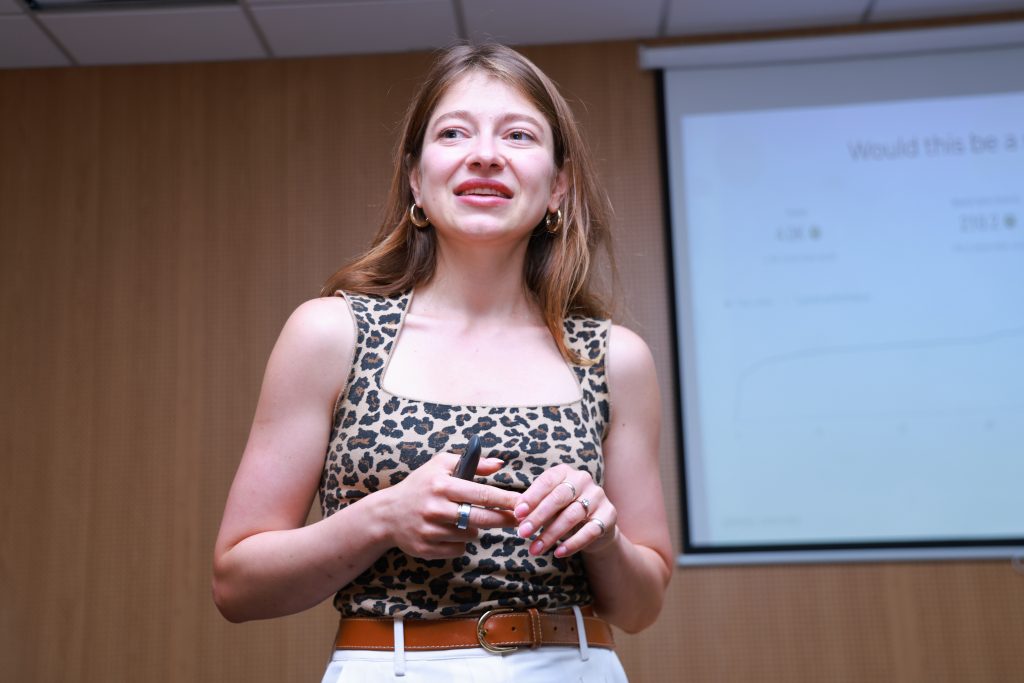
Participants also discussed algorithms and digital content strategies for reaching more people, and how to create content tailored to each platform, focusing on video content for YouTube during the “Organic Growth of Videos, a skill-building” workshop led by Anastazja Debowska, YouTube’s Organic Growth Consultant in the UK.
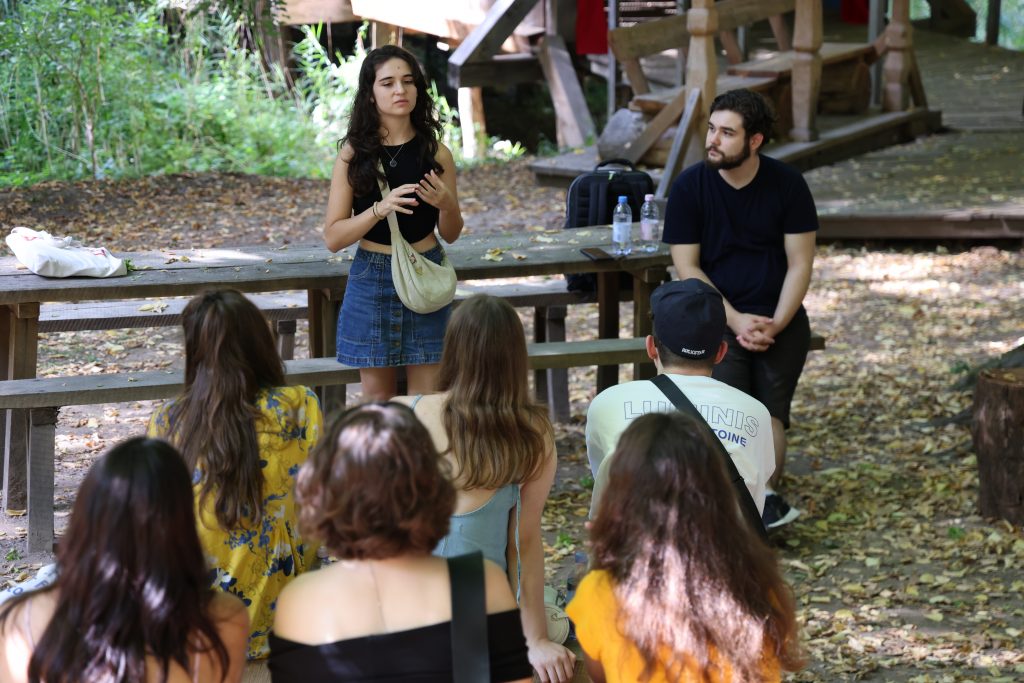
The last seminar “Tips and Tricks for Growth on Instagram. Building Credible New Media for Youth” was conducted by the team of the most successful media in Romania, Gen, știri & GenZetteRareș N. Antal, video producer, reporter, Gen, știri and Sorana Horsia, editor, GenZette. During this workshop, the participants learned the specifics of creating content for young people, especially for Instagram. They also reviewed tools for turning social initiatives into long-term social media campaigns.
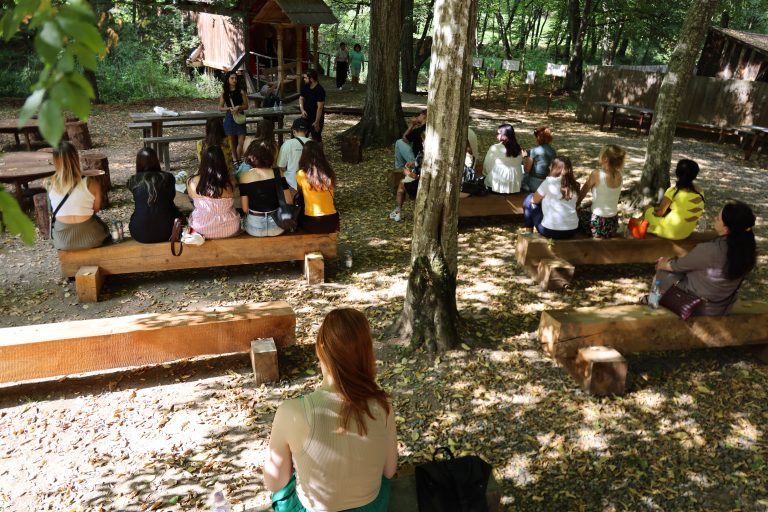
The organizers prepared and held this workshop in an unusual place for such events at the National Museum Complex ‘Astra’, the largest open-air museum in Europe.